
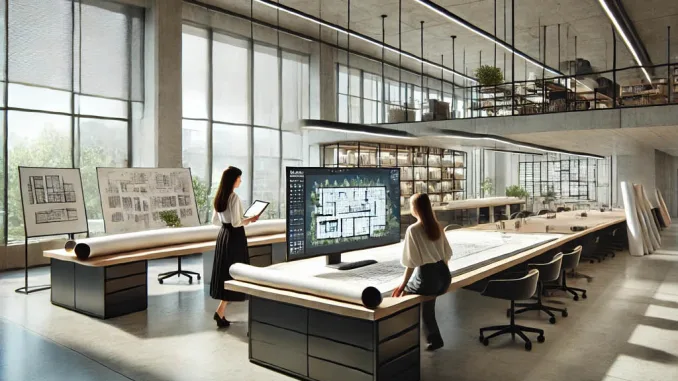
Retail design is today a strategic tool for translating brand identity and commercial objectives into a clear, functional and coherent physical environment. A well-designed store is not merely a display space: it becomes a system that guides customer flow, enhances product presentation and builds a recognizable experience over time. This complete guide to retail design explores core principles, recurring design decisions and emerging trends shaping contemporary commercial environments, with a focus on layout, lighting, materials and sustainability.
Why Retail Design Is Essential for Store Performance
Retail design integrates architecture, interior design and brand strategy to transform the point of sale into a cohesive system. Rather than focusing solely on decoration, it relies on integrated planning that considers layout, customer flow, lighting, materials and wayfinding. When spatial elements—volumes, surfaces, light and color—align with brand positioning, the store becomes an ongoing communication device that strengthens engagement and long-term loyalty. Designing methodically ultimately improves operational efficiency and commercial performance.
Preliminary Analysis and Brand Identity in Retail Design
Every retail project begins with strategic analysis: brand positioning, target audience, sales objectives, product mix and seasonality. Identifying priorities early helps define which categories require visibility, consultation or experiential storytelling. Context analysis—urban setting, catchment area, competitors and access points—ensures that the store is both distinctive and responsive to its environment. Retail design therefore connects communication, operations and spatial quality before aesthetic decisions are finalized.
How to Design a Successful Store: Layout and Spatial Organization
Layout planning is one of the most influential factors in retail environments. It defines visual hierarchy, establishes hot and cold zones and structures how customers move between entrance, display areas and checkout. Furniture placement and circulation paths must enhance clarity and flow while avoiding friction points. Functional organization also requires clear separation between customer areas (display, fitting rooms, consultation zones) and back-of-house spaces (storage, logistics and offices) to maintain operational efficiency.
Lighting and Materials: Core Elements of Retail Design
In retail design, lighting and materials are not finishing touches but primary tools shaping perception and experience. A calibrated lighting strategy highlights products, defines focal points and supports orientation. Meanwhile, coherent material selection reinforces identity and durability. Effective lighting design integrates multiple lighting layers—ambient, accent and decorative—coordinated with finishes and textures to avoid glare and uncontrolled contrast. Materials such as wood, glass, metal and technical surfaces must be evaluated not only aesthetically but also for durability, maintenance and alignment with the overall concept.
Current Trends in Retail Design
Recent retail design trends emphasize hybrid and multifunctional environments where physical experience interacts with digital services and omnichannel strategies. Interactive technologies—screens, configurators and dynamic content—are increasingly integrated to guide and inform customers without replacing spatial quality. Flexibility is another key factor: modular furniture systems and adaptable layouts allow stores to evolve according to collections, seasons or events. Designing today means anticipating change while maintaining brand consistency.
Sustainability and Retail Design: Future-Oriented Approaches
Sustainability plays a growing role in retail environments, driven by both consumer expectations and environmental responsibility. Recycled or recyclable materials, energy-efficient lighting systems and reversible construction solutions reduce environmental impact and facilitate future renovations or relocations. Circular design principles encourage reusable furniture and easily dismantled components, reducing waste and long-term replacement cycles. Sustainability is therefore not only an ethical concern but also a strategic design variable affecting operational costs and brand perception.
Conclusion: Strategies for Effective Retail Projects
An effective retail project results from the integration of analysis, creativity and technical expertise. Beyond aesthetics, designers must coordinate layout, lighting, materials, sustainability and future adaptability to create environments that enhance both experience and performance. Planning in structured phases—from initial research to detailed execution—reduces errors and optimizes investment. Ultimately, retail design transforms the store into a strategic space where communication and operations function as a unified system.
Real Retail Projects and Case Studies
Below is a selection of projects featured in AN Shopfitting Magazine, showcasing how retail design principles are applied in real-world contexts through layout strategies, materials, lighting and spatial organization.
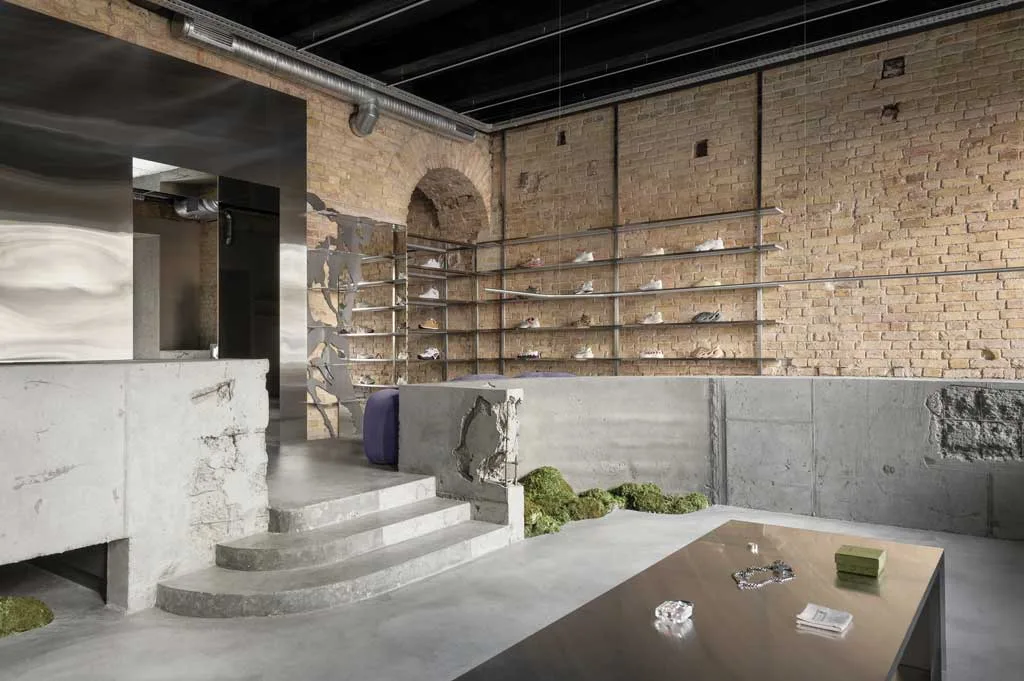
Storage X Domaine 17 in Kiev is a streetwear concept store combining industrial aesthetics and urban culture in an experimental retail environment.
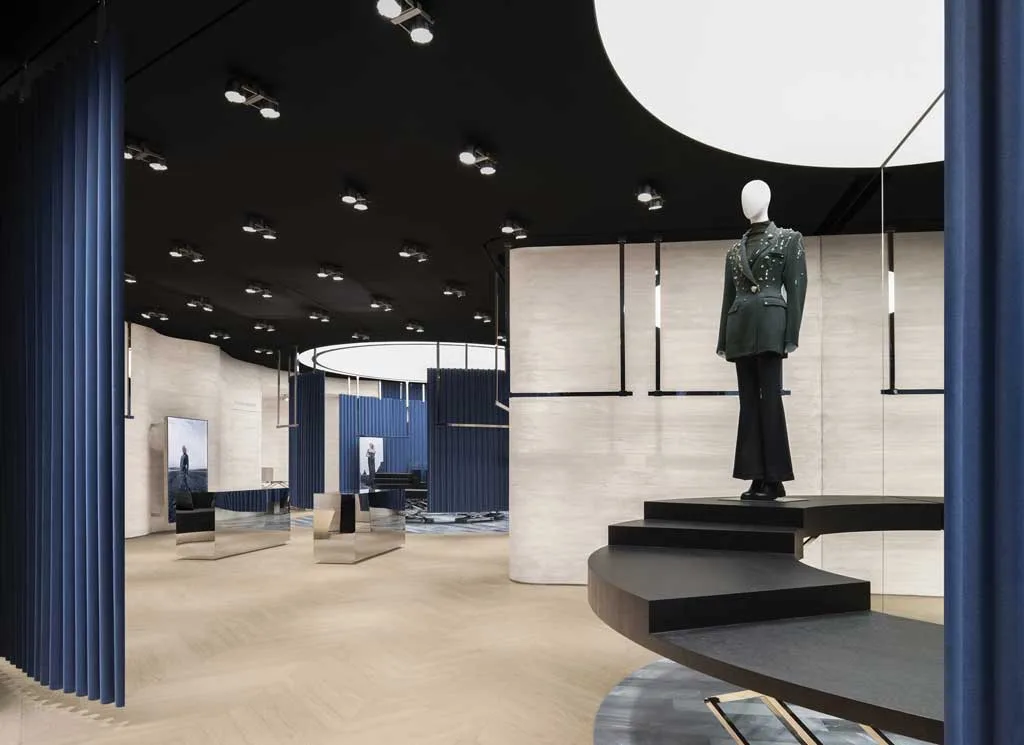
An experiential retail design project by SLT Design for the Mithridate boutique: fashion, art and scenography merge into an immersive concept.
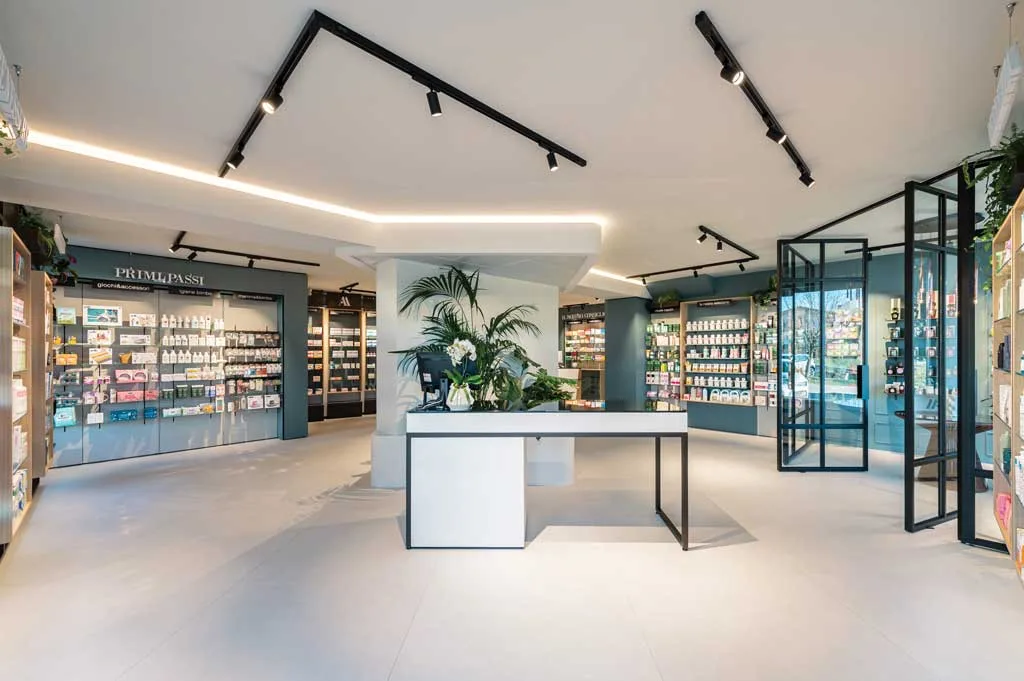
Insights into the A / M LAB method and innovation models applied to pharmacy design.