
Dear readers,
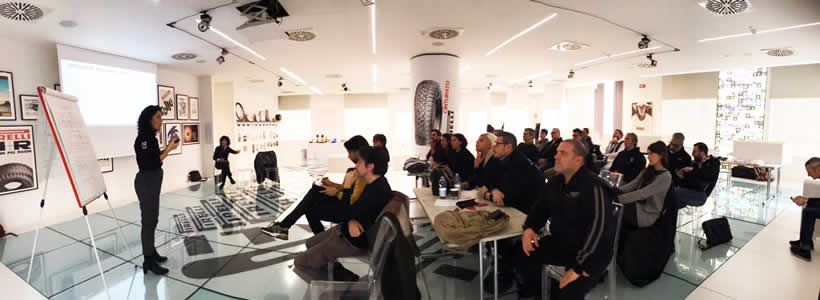
our company has always been involved in training related to every aspect of retail network management. We develop educational programs aimed at providing younger generations, as well as experienced professionals, with the tools and knowledge necessary to keep pace with market evolution and continuously improve the service offered to the final customer.
Retail training in Italy continues to expand through classroom and remote learning
The Italian training market connected to the retail sector, where we have almost thirty years of experience, offers a broad landscape in terms of educational content as well as highly qualified trainers.
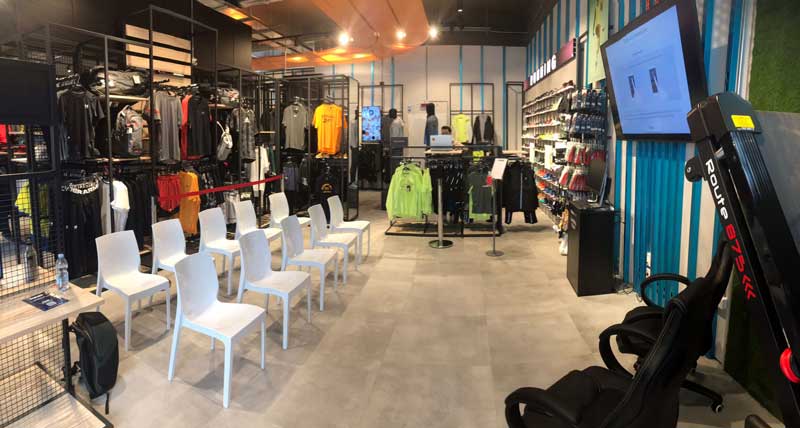
Since 2018, remote training has also become increasingly widespread, encouraging greater responsibility among participants working remotely while offering companies additional educational opportunities.
Before going deeper into today’s retail training landscape, I would like to share a broader reflection that, unfortunately without the possibility of debate, also affects the subject discussed in this issue of AN.
Are we really sure that all the efforts made by companies and training institutions are being fully understood and effectively exploited by the final users?
I am referring to the fact that training projects sometimes become an excuse to justify attitudes and behaviors that are not always correct.
A culture of justification risks weakening the value of professional training
Let me take a step back.
In recent years, in my opinion, we have increasingly witnessed the spread of what I would define as a “losing mentality”, which I identify as the generation of the “poor things”.
I am referring to the growing tendency to constantly justify younger generations who, apparently less fortunate, always need to be supported because life has somehow not treated them as they had hoped.

Let me give a few examples:
“… Poor guy, he never had the opportunity to…”
“… Poor girl, she was unlucky because she had to deal with…”
“… It’s a shame because she’s actually a good person, but you know, poor thing, this happened to her…”
Retail companies struggle to find people willing to work and make sacrifices
Despite the pandemic, retail companies continue to report a shortage of profiles willing to work in stores and make sacrifices.
Citizenship income has had a major impact on this issue because one of the most common responses HR managers hear is: “between earning €800 staying at home and €1,000 working, including weekends, I’d rather stay at home”. These are just a few examples many of you have probably already heard.
However, I have the feeling that this mentality is spreading, creating new generations who live within a culture of excuses and often expect others to support, justify and understand them while waiting for something to be handed to them.
The concept of “FIRST YOU PROVE YOUR VALUE, THEN YOU EARN RESULTS” seems to be fading away.
Help, understanding and constant justification often weaken individuals who should instead find within themselves the resources needed to build their own path.
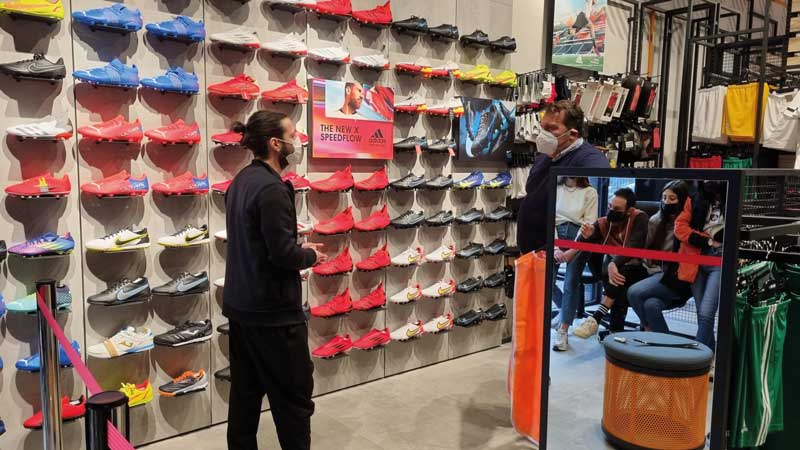
During our training courses, it is increasingly common to encounter profiles, especially among younger generations, who take corporate training for granted and fail to fully exploit the opportunities they are being offered.
Today, companies struggle to find people willing to make sacrifices in order to obtain or maintain a retail job.
It is increasingly common to meet people who do not want to work on Saturdays or Sundays, who are unwilling to work shifts or, for more responsible positions, relocate to another city.
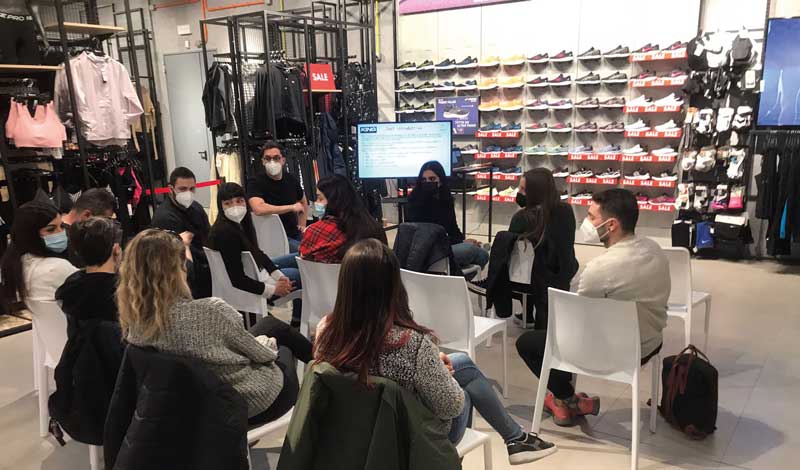
At this point I often ask participants during training sessions: “What is the purpose of training if you are not willing to invest in a profession whose key characteristics are flexibility, dynamism and the willingness to serve the customer?”
And also:
“What is the point of spending time in a classroom or in-store training if you are unable to apply what the company asks of you afterward?”
Working in retail today requires study, skills and professional discipline
Working in retail today means having both theoretical and practical preparation, and like every profession, it requires study.
The days when being outgoing or simply passionate about a product was enough are over. Today, people working in stores need human qualities, but they must also apply themselves by studying specific subjects.
Managing or working in a store today requires knowledge of marketing, social media, sales, staff management, organizational skills and much more.
Achieving this requires method, and method requires study.
The YOLO philosophy is changing younger generations’ relationship with work
One of the most concerning trends among younger generations is the spread of the mindset identified by the acronym YOLO (You Only Live Once), meaning: enjoy life today because tomorrow is uncertain.
This approach to life, which in my opinion is also influenced by social media and low-quality television culture, is based on apparently successful personalities who should not necessarily be role models for young people, yet are increasingly perceived as such because they are seen as having “made it”.

YOLO is not just an acronym but a real lifestyle philosophy encouraging people to live every day to the fullest because life only happens once.
It is essentially the updated version of the Latin expression “Carpe Diem” from the Odes of Horace, usually translated as “seize the day”.
The phrase and the acronym YOLO are widely used in youth culture, internet slang and music.
This contributes significantly to convincing younger generations that there is little point in committing too much effort or sacrificing immediate pleasures because the future is uncertain anyway.
Effective training starts with responsibility, passion and long-term goals
Perhaps this should be the real focus of every training course, regardless of the subject being taught:
THE IMPORTANCE OF HAVING GOALS, REDISCOVERING PASSION AND APPRECIATING SACRIFICE AS PART OF ACHIEVING A PURPOSE.
Before even discussing work methodologies, sales techniques or visual merchandising, perhaps training should first reconnect people with responsibility, appreciation for opportunities and the willingness to build something that does not produce immediate results.
At the beginning of my training courses I always ask participants to reflect honestly on themselves:
“Are we really interested in this job?”
“Are we truly interested in the professional field we work in?”
“And most importantly, do we genuinely care about the customer?”
Without these foundations, I sometimes provocatively tell them:
“Anyone who is not convinced about these premises should leave the classroom.”
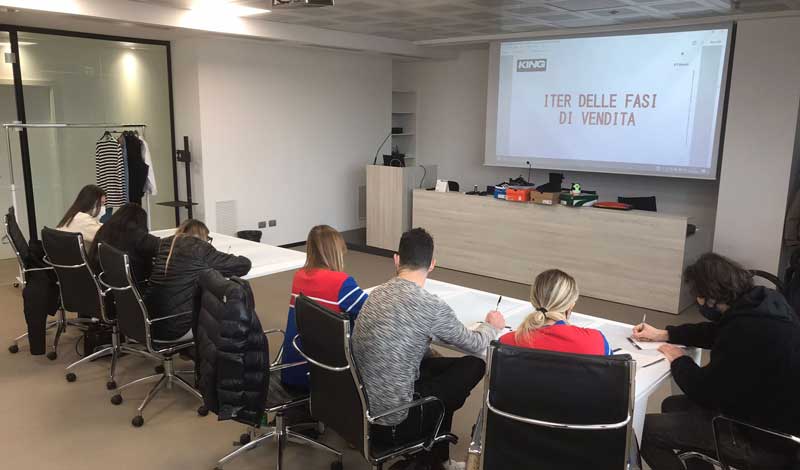
Only through self-analysis and awareness of one’s real ambitions is it possible to begin a meaningful educational journey. Training should never be taken for granted but appreciated as an opportunity.
In conclusion, within a highly competitive market such as retail, training is undoubtedly one of the key tools for maintaining high performance standards. However, if training is not fully absorbed and applied, its positive effects risk disappearing quickly, wasting both economic resources and time.
By Paolo Zanardi, XT srl