Window display and retail visual communication
In recent years, due to increasing digitalisation and rising costs, the window display has undergone significant changes. Creativity has often given way to more direct and simplified communication. However, there are still retail brands that continue to invest in their windows with scenographic installations comparable to theatrical staging.
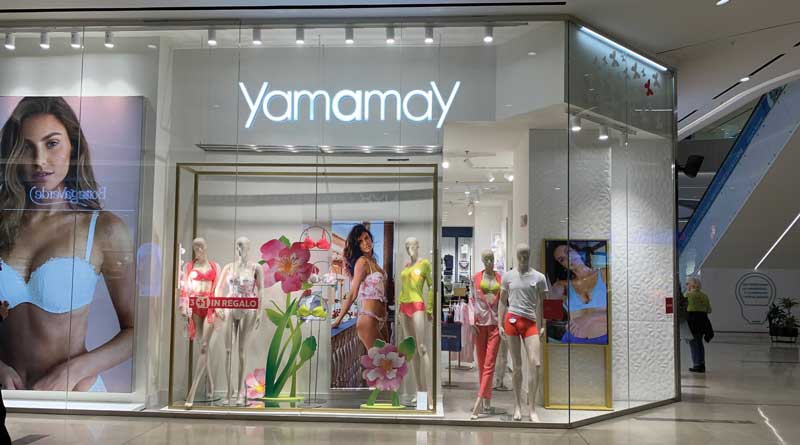
We carried out a tour of major shopping centres in Italy to observe how leading brands approached spring 2023 in terms of creativity, seasonal themes and visual strategies.
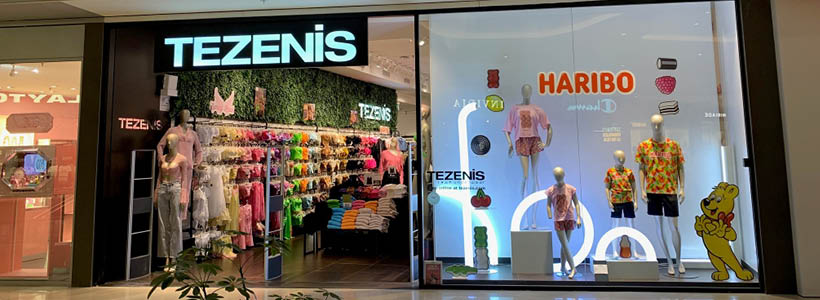
Economic pressure, alongside digital transformation, has reduced opportunities for experimentation in window design. Nevertheless, some low-budget solutions demonstrate an effective balance between cost control and visual impact.
Through ongoing observation of retail environments across Italy, both in high streets and shopping centres, it is possible to identify how window display continues to evolve as a communication tool.
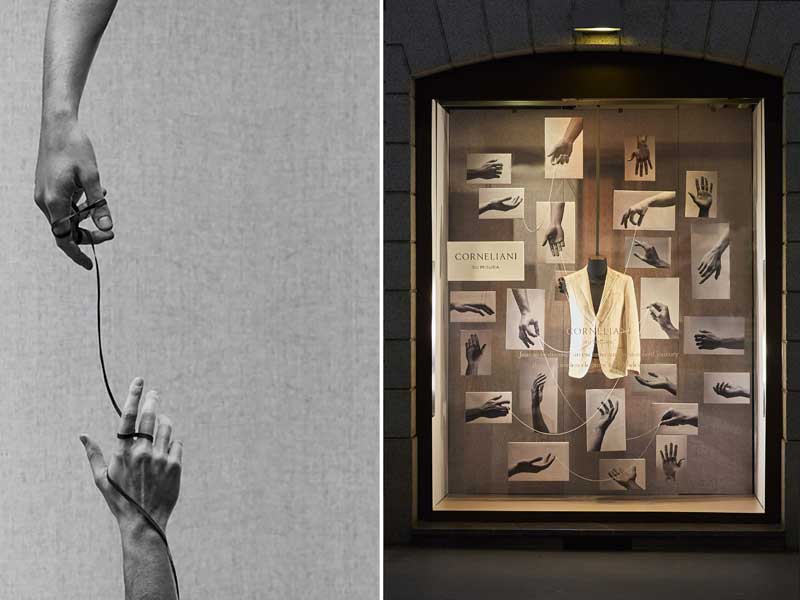
High street shopping experience, especially in premium retail locations, still plays a central role. The visual impact of window communication increasingly aligns with advertising language rather than traditional in-store merchandising.
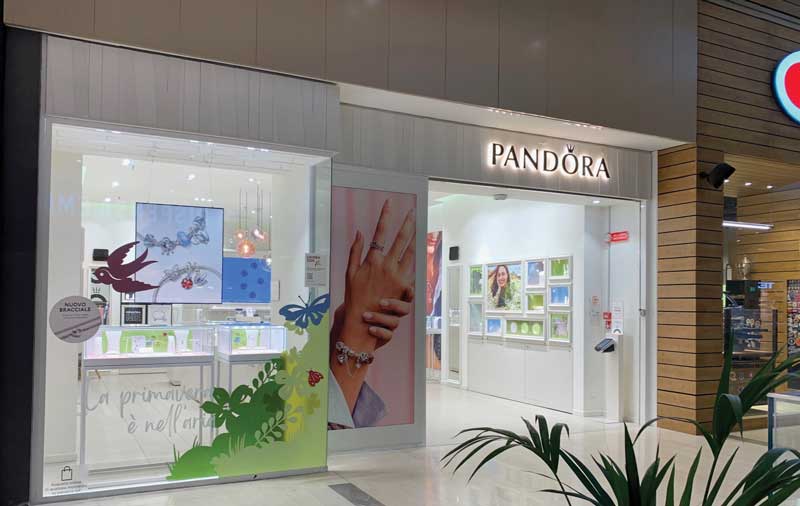
Elements designed to attract attention, generate curiosity or trigger an emotional response are increasingly brought into the storefront, creating a form of visual competition based on mannequins, props and bespoke scenography.
As a result, investment in this area—particularly for premium brands—remains significant. Window display continues to play a key role in maintaining brand positioning and visual identity.
Developing window campaigns that tell a story, reflect brand identity and engage the customer through curated visual elements remains a seasonal focus across both luxury and mainstream retail.
Even in 2023, with the arrival of the spring season, window displays have once again become a key element of the retail landscape.
Expert insight: Arte Vetrina Project
To gain further perspective, we spoke with Omar Pallante, founder of Arte Vetrina Project, a studio active internationally in window display design and production.
Which brands still invest in structured window display projects?
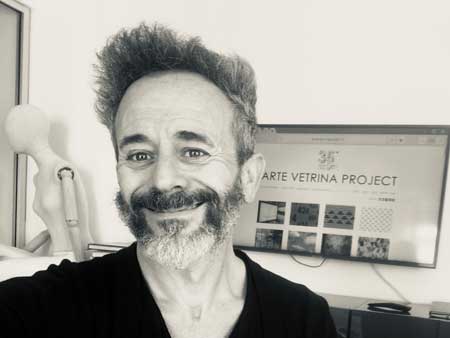
The entire market continues to invest in window display and pop-up installations, from fast fashion to luxury brands, although with different budgets and outcomes depending on each company’s structure and resources.
Over the past decade, there has been significant progress in integrating window display with advertising, visual merchandising, digital presence and product strategy, as well as in adopting new technologies aligned with evolving consumer expectations.
Brands that have developed strong projects in recent years include Valentino, Gucci, Louis Vuitton, Moncler, Dior, Zegna, Off-White, Hermès, Tiffany, Kenzo and Balenciaga.
What does your process involve from concept to installation?
Brands typically commission us to develop annual window display and pop-up strategies for their store networks. Based on a brief from the design team, we manage research, concept development, artwork production, installation and on-site art direction.
What are the key trends for window display?
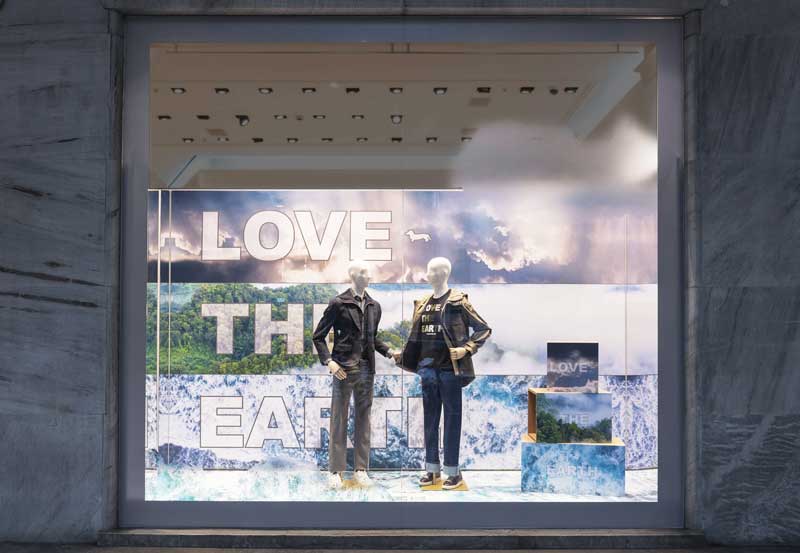
Rather than following strict trends, each project should remain unique and aligned with the brand message. At the same time, there is growing attention to sustainability, with more efficient use of materials and design strategies aimed at reducing environmental impact.
What is the future of window display?
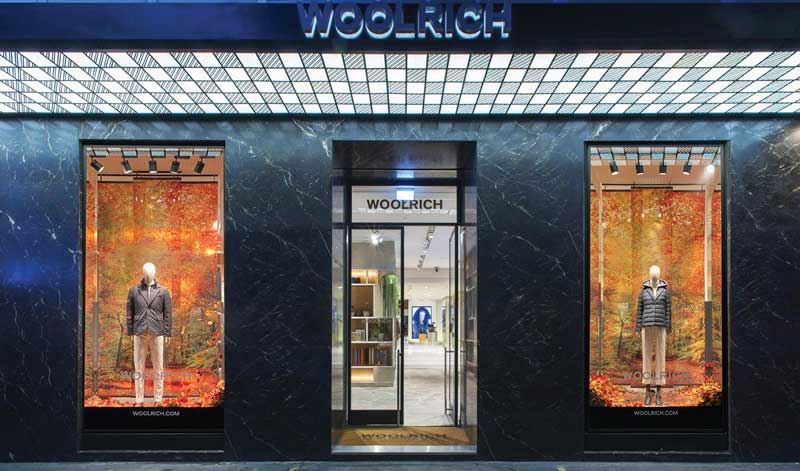
While e-commerce once raised concerns about the decline of physical retail, it is now clear that both channels are complementary. Companies are becoming more structured and increasingly rely on external partners for creativity and production.
Window display in shopping centres
In shopping centres, customer entry already reflects a decision influenced by brand interest or leisure intent. Retailers therefore adopt different strategies to capture attention within these environments.
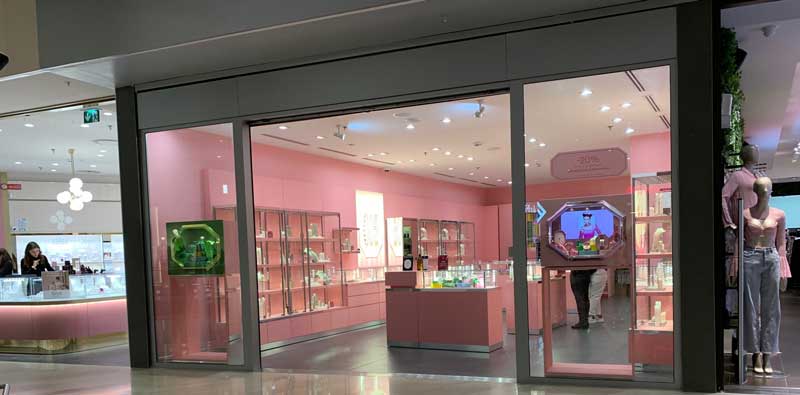
In many cases, fast fashion brands reduce traditional window displays, opting instead for open storefronts that directly reveal the product offer. This approach creates immediate visual access and reduces communication barriers.
This strategy is often linked to cost optimisation, as window display management in large retail networks requires dedicated teams for design, production and installation.
At the same time, budget management is increasingly aligned with sustainability goals, encouraging more efficient and responsible use of materials.
Sustainability and long-term display strategies
Retailers are increasingly requesting sustainable and recyclable materials, along with longer-lasting display elements that can be reused across multiple campaigns.
Ultimately, window display remains a powerful communication tool. Its ability to attract attention and generate engagement extends to younger audiences, who amplify its impact through social media, reinforcing both physical and digital brand presence.
Editorial by Paolo Zanardi and Simona Fiore – XT retail
by AN Shopfitting Magazine no.174 ©