
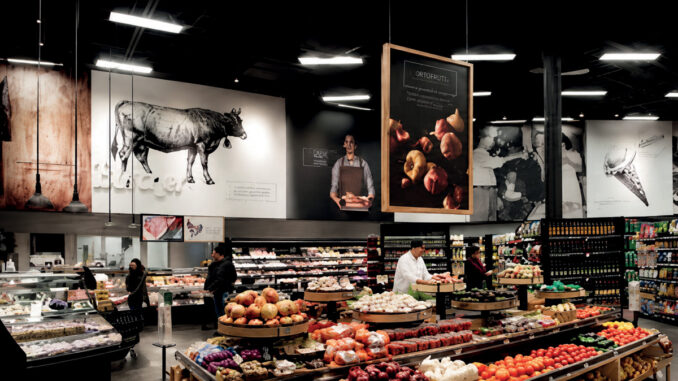
There are moments when a market changes not because of a single disruption, but through the silent accumulation of pressures that eventually redefine the rules. The Italian food retail sector is entering a new phase. After years in which price has been the main competitive factor, attention is gradually returning to the quality of the shopping experience, the organisation of space and the store’s ability to communicate value.
It is in this context that Paolo Zanardi met Ilaria Capasso, retail designer and retail expert who has been collaborating with XT Retail since 2025. Her career has taken her through some of the most complex organisations in Italian retail — Mondo Convenienza, Wycon and MD S.p.A. — giving her a privileged perspective on what works, what is still missing and what is changing in visual merchandising in food retail.
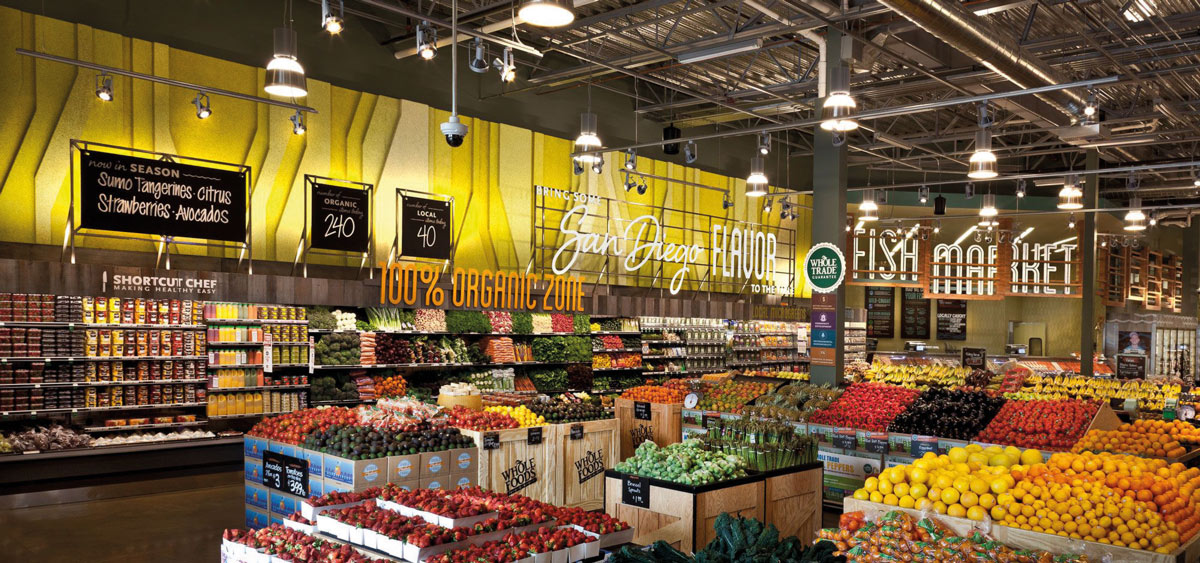
Visual merchandising in food retail
Ilaria, you have worked in both furniture retail and food retail. What is the most significant difference from a visual merchandising perspective?
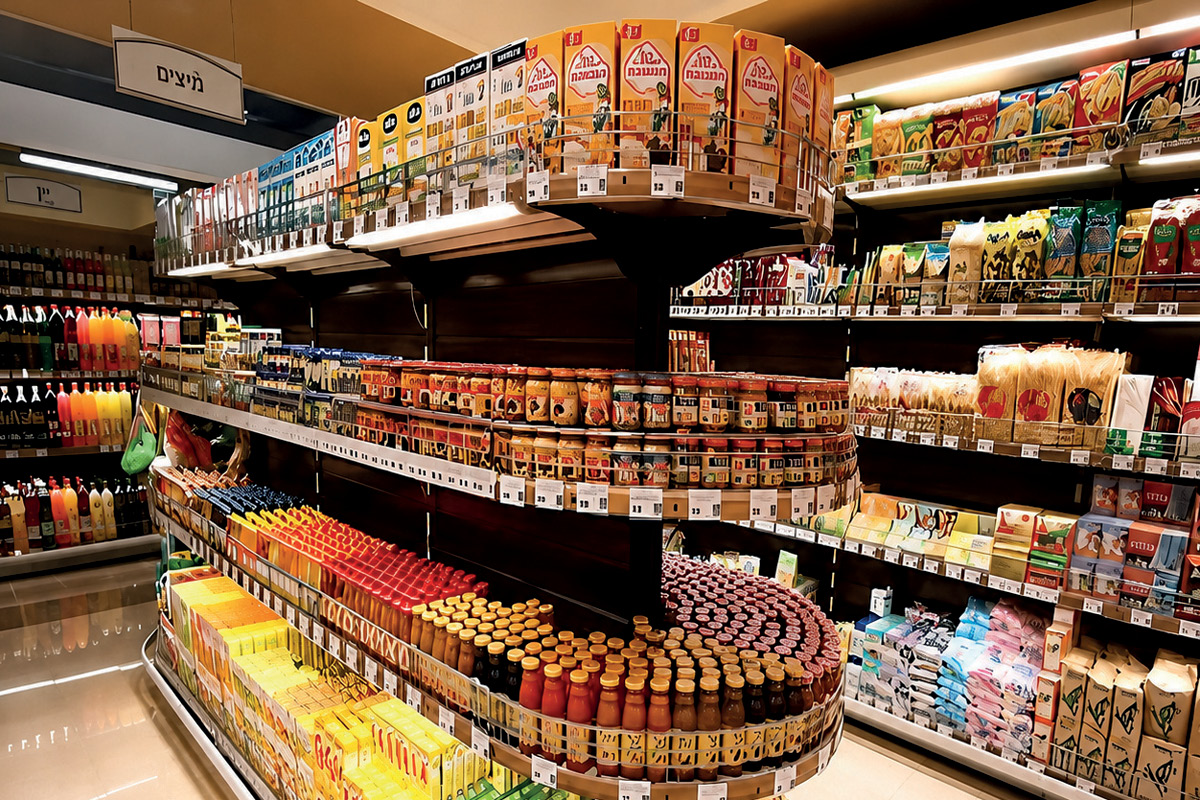
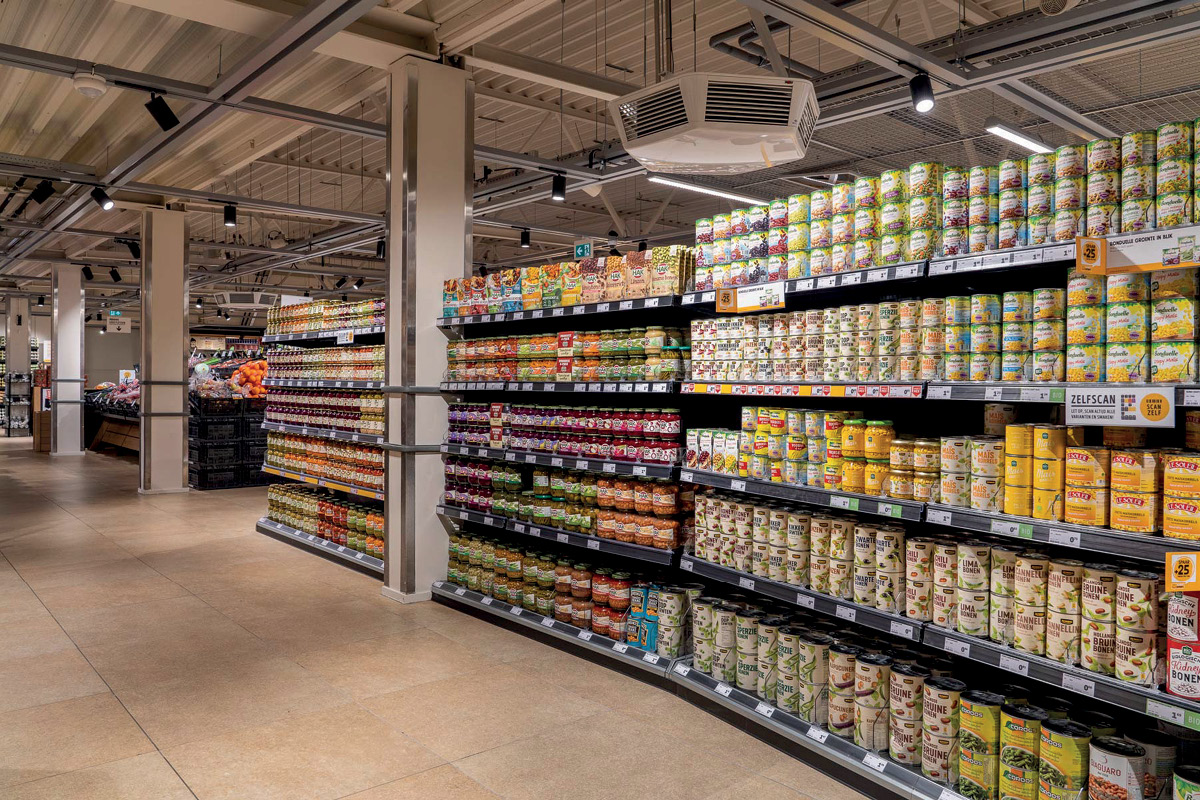
The main difference is the pace. In furniture retail, customers stop, think and come back. In food retail, everything happens within a few seconds at each shelf: the product has to capture attention, communicate its value and convince the customer within a very limited space and time. This requires a level of design rigour that leaves no room for purely decorative elements: every visual choice must have a precise function, from the colour hierarchy of the different departments and the readability of signage to the height at which products are positioned. Scale adds another layer of complexity: at MD, I worked on layouts across hundreds of stores, and maintaining visual consistency on that scale requires systems of rules that are far more structured than one might imagine from the outside.
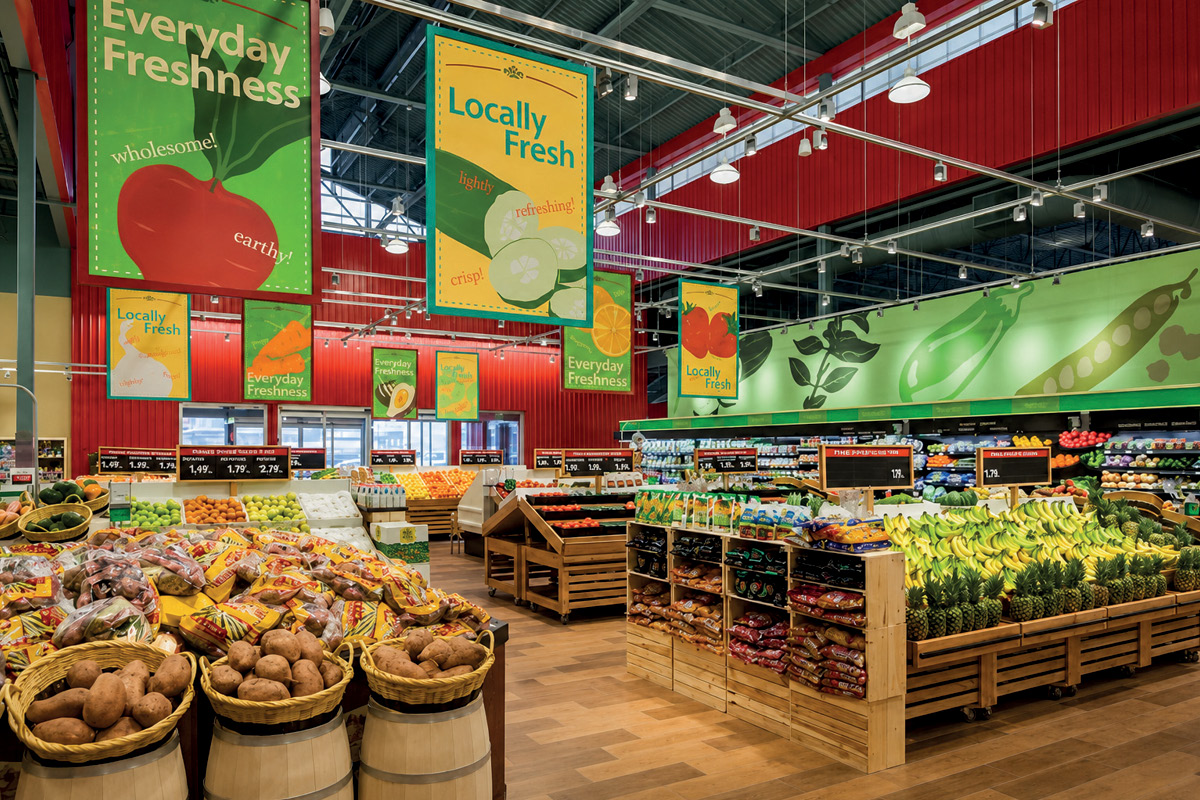
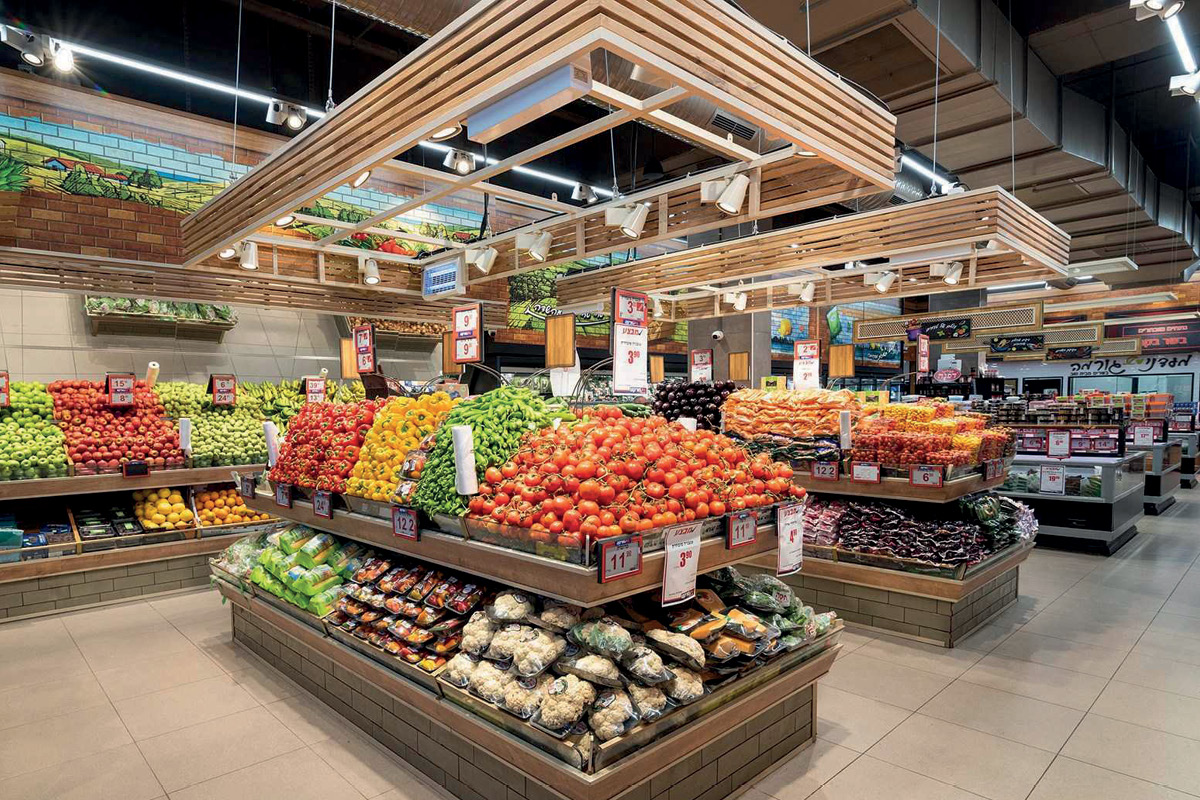
What still does not work effectively in visual merchandising within food retail?
The most common gap is between design and maintenance. A layout is often created with great attention to detail, but within six months it begins to deteriorate: products are out of place, price communication overshadows product communication, and shelves lose their original logic because the people replenishing them have not been trained to understand the reasons behind certain choices. Visual merchandising in food retail is not a one-off intervention; it is an ongoing process that requires staff training, monitoring tools and a replicable method. Without this continuous oversight, every new concept lasts only as long as the opening phase.
Integrating physical and digital communication
Are digital technologies — electronic shelf labels and in-shelf displays — changing your work as a designer?
They are changing it by expanding the scope of the project. An electronic shelf label is not simply a way of updating a price: it is a visual element that has to be integrated into the shelf communication system. If digital displays and printed signage use different visual languages, the result is visual noise rather than clarity. Today, my work increasingly involves defining graphic standards that extend consistently across both channels — physical and digital. Technology represents a major opportunity, but only when it is governed by a project rather than added along the way.
Training and the day-to-day management of visual merchandising
If you had to identify one absolute priority for retailers looking to improve their visual merchandising, what would it be?
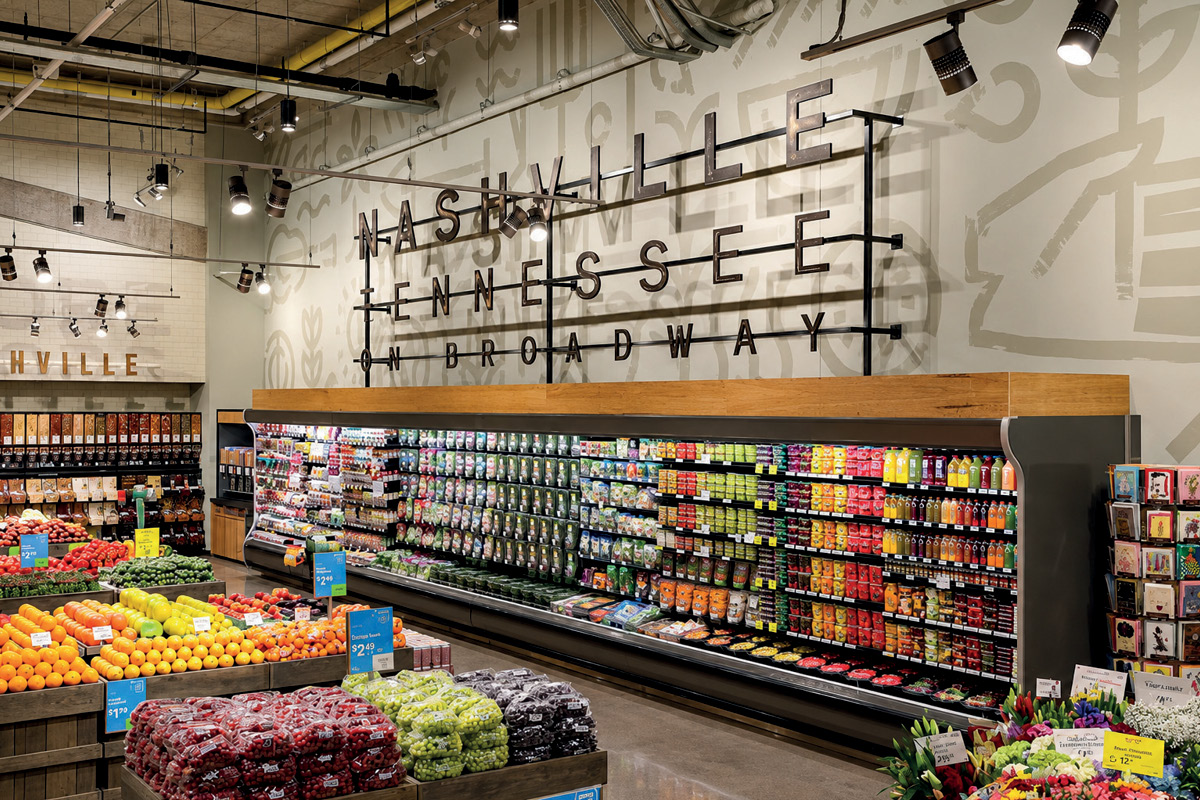
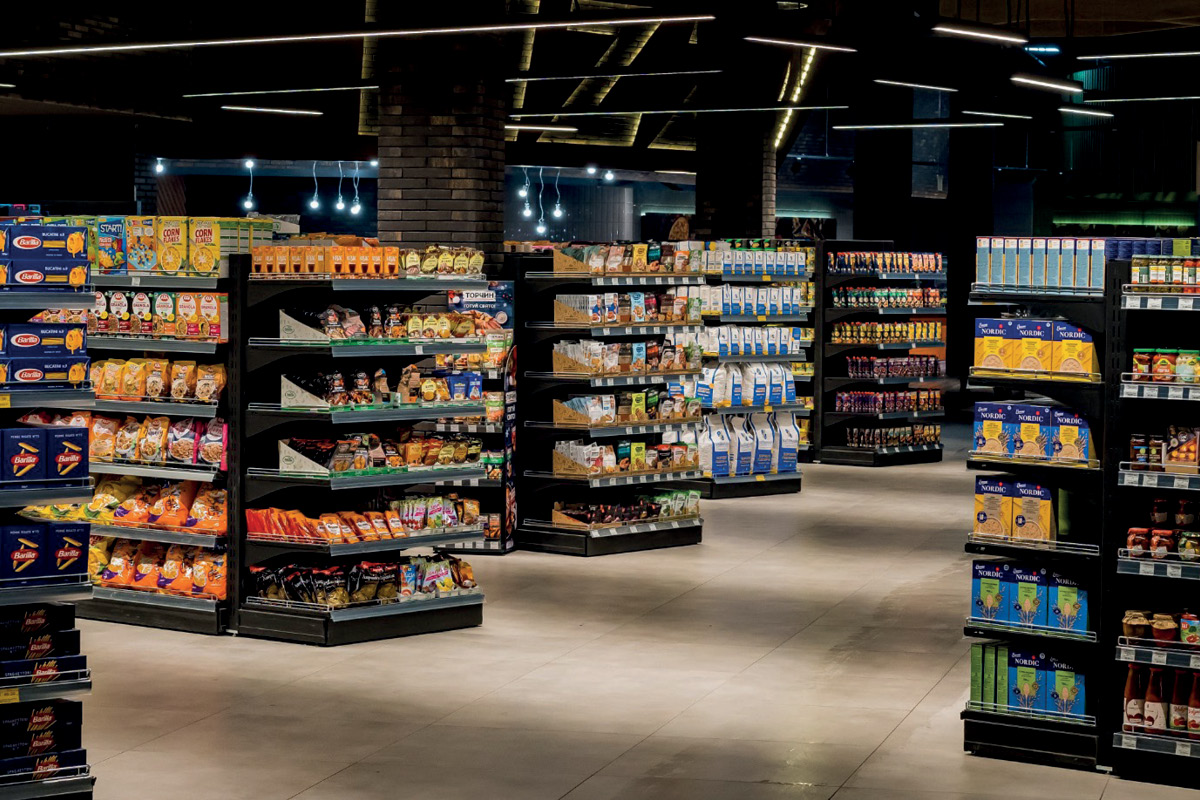
Train the people who work in the store. Before developing new concepts, and even before investing in technology. A department manager who understands the visual logic of the shelves is the only safeguard that works every day, not just when the consultant is there. I have seen stores with mediocre displays perform very well because the staff were aligned and motivated, while others with excellent layouts fell apart within a few weeks because there was no ongoing supervision. Visual merchandising in food retail is won or lost in everyday operations, not in the pilot project.
Paolo Zanardi, founder of XT Retail
by AN Shopfitting Magazine no.194 ©